
Expert Perspective of Ulung Purnama S.H, MH on Humanitarian Crimes in Israel
- account_circle Suryo S
- calendar_month Senin, 20 Nov 2023
- print Cetak

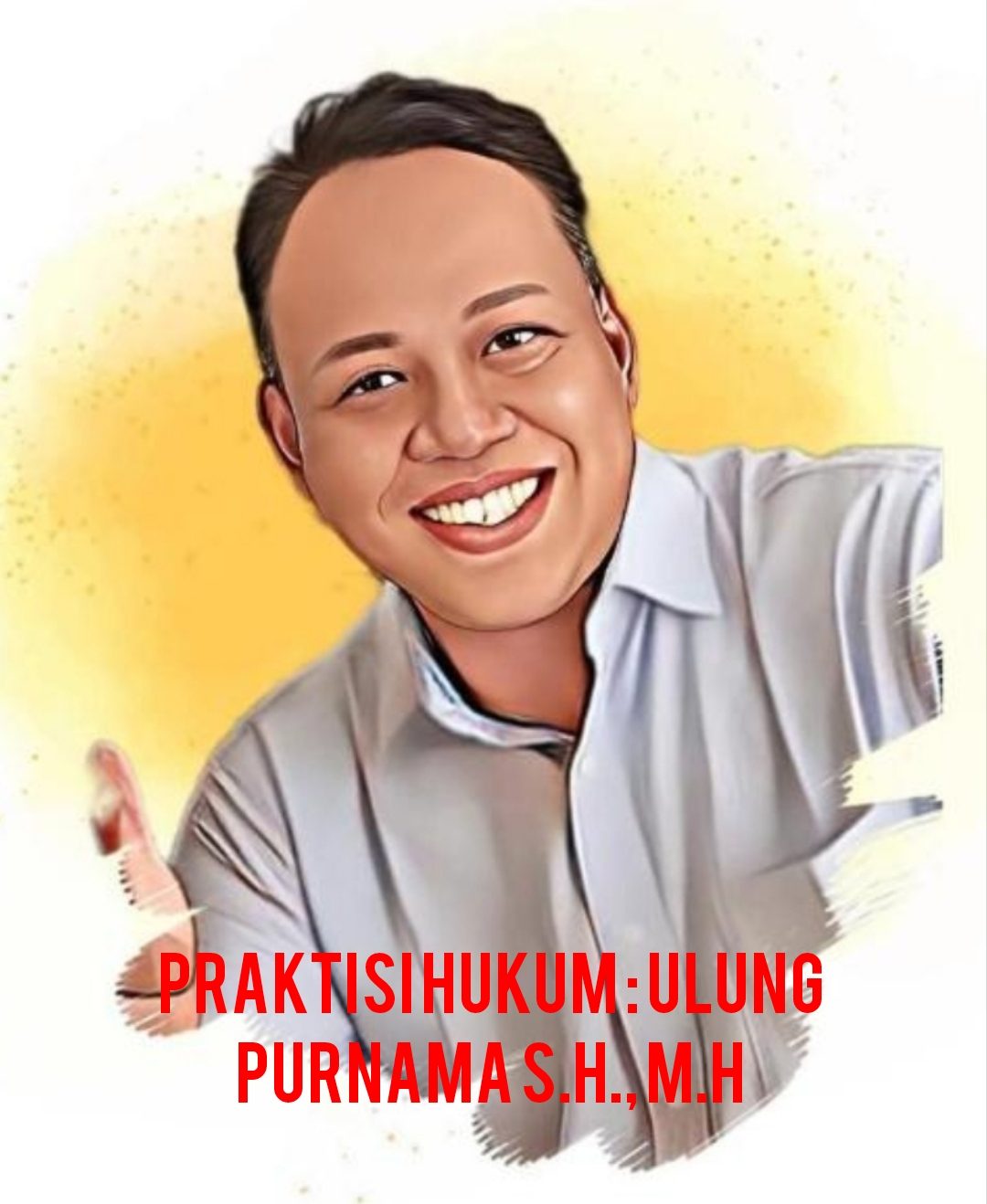
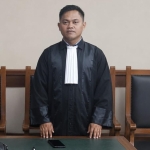
Praktisi Hukum : Ulung Purnama S.H., M.H
info Atur ukuran teks artikel ini untuk mendapatkan pengalaman membaca terbaik.
Ulung Purnama S.H., MH
Bekasi – Indonesia || Temporatur.com
Ulung Purnama, a renowned legal practitioner, strongly condemns the grave humanitarian crimes committed by Israel against the Palestinian people, stating that they are severe violations of human rights and international humanitarian law. In his insightful article, Ulung highlights the moral and legal basis for condemning these heinous actions, emphasizing that international humanitarian law was established to protect humanity and limit the impact of armed conflicts.
“These humanitarian crimes have caused significant loss of life, including women and children, and have resulted in the destruction of health facilities and places of worship, which should have been safe havens. This is a heartbreaking situation, and it demands immediate disclosure and fair legal action to ensure that the victims receive the justice they deserve,” Ulung commented on Monday, November 20th, 2023.
Ulung Purnama further regards the incidents in Palestine as clear war crimes and blatant violations of human rights. “These actions go against the principles of humanity and contradict internationally recognized laws of warfare,” he added.
Furthermore, Ulung urges the Indonesian government to advocate for an investigation into the war crimes occurring in Gaza at the International Criminal Court (ICC), following the efforts made by countries such as South Africa, Bangladesh, Bolivia, Comoros, and Djibouti. The initiation of an investigation at the International Criminal Court in The Hague, Netherlands, represents a crucial step towards the enforcement of fair justice. As a permanent judicial institution, the ICC has the authority to prosecute not only acts of genocide but also crimes against humanity, war crimes, and acts of aggression. It is the ideal platform to investigate and prosecute severe human rights violations, including those occurring in Palestine.
According to Ulung, by bringing this case to the ICC, it is hoped that clear and concrete facts will be presented before an independent international court. Such a court would not only provide a path to recovery for the victims but also demonstrate the international community’s commitment to upholding fundamental principles of humanity.
“However, it must be acknowledged that these efforts will face political and diplomatic challenges. Some countries may not support this initiative for various reasons. Nevertheless, we must remain steadfast in our belief that justice must be pursued without bias. As a nation that is consistently committed to human rights and international justice, Indonesia has a moral responsibility to support this proposal. Our country can play a significant role in mobilizing international support for fair investigations and trials. Diplomacy at both bilateral and multilateral levels should be utilized to voice our concerns about the fate of Palestine and the enforcement of the law,” Ulung added.
“In facing these challenges, we also need to strengthen regional cooperation with Southeast Asian countries and the Organization of Islamic Cooperation (OIC). By joining hands, we can express our concerns about these humanitarian crimes and enhance coordination towards achieving shared goals. All parties must collaborate to ensure that the protection of human rights becomes the top priority in addressing armed conflicts.”
However, it is important to note that these efforts must remain professional and within the framework of legitimate law. All parties should focus on accurate facts and evidence and use relevant platforms for scientifically grounded arguments. The public interest and the protection of victims should be the primary reference in debates and subsequent actions.
Considering the importance of supporting the investigation of humanitarian crimes in Palestine at the ICC, we must work together to achieve genuine justice and ensure protection for the victims of these war crimes. Through appropriate measures and international commitment, we can hope for a better future where such criminal acts no longer occur.
In closing, Ulung Purnama S.H., MH, a legal practitioner born in Bekasi Regency, emphasizes the need for a professional tone in discussing and addressing this issue. (Red).
- Penulis: Suryo S












Saat ini belum ada komentar